Last Updated on May 2, 2026 by Bruno Bianchi
Question
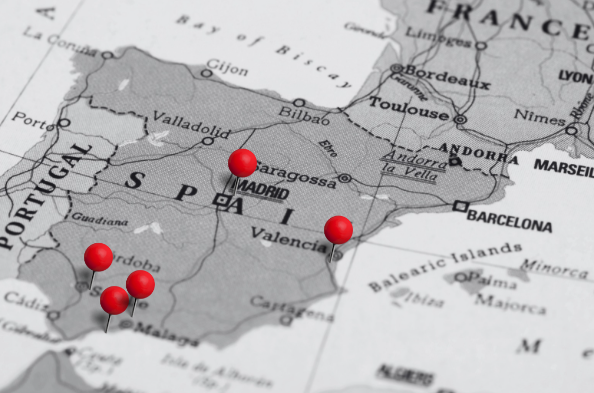
Pros and cons of moving to:
- Madrid
- Marbella
- Málaga
- Sevilla
- Valencia
Answers
These are the answers of Spainguru’s Facebook group members:
Planning your move to Spain?
Get the free step-by-step roadmap used by 10,000+ expats — covering visas, budget, housing, and the mistakes to avoid.
Start the Moving to Spain Hub →“Madrid is like New York City with worse air quality but more style. It has everything a big city offers—great infrastructure, culture, and art. However, it’s expensive, lacks a beach, and has a fast-paced lifestyle.”
“Marbella has a beach-town vibe but caters to a wealthier crowd. It’s popular with foreign residents, but it has high property break-in rates, heavy traffic, and a reputation for being a playground for the rich. If you love golf courses and good weather, it’s a great choice.”
“Málaga is a beautiful coastal city with a mix of ancient and modern influences. The beaches are accessible, and there’s a welcoming expat community. It offers a high quality of life, a reasonable cost of living, and plenty of cultural activities. Some say it’s one of the best-balanced cities to live in.”
“Sevilla has stunning architecture, friendly locals, and a vibrant cultural scene. It’s one of the warmest cities in Spain, both in temperature and atmosphere. However, it gets extremely hot in the summer, sometimes over 40°C (104°F), which can be unbearable for some.”
Not sure which city is right for you?
Compare cost of living, weather, expat community size, and lifestyle across 13 Spanish cities in our free guide.
Explore Cities →“Valencia is a modern city with a deep-rooted history. It’s known for its walkability, stunning architecture, and the best paella in Spain. It’s affordable compared to Madrid and Barcelona, but it does have a unique regional language (Valenciano), which some expats find challenging.”
“Some of the best lesser-known options include Oviedo, Bilbao, and Santander in the north. These cities offer a different climate and lifestyle, with fewer international residents but great quality of life.”
“Public transportation in Madrid, Málaga, and Valencia is excellent. Marbella, on the other hand, lacks a train system, making it harder to get around without a car.”
“Living in Spain means integrating into Spanish culture. If you don’t want to learn Spanish, you may struggle outside major expat areas. Cities like Marbella and parts of Málaga have more English speakers, but learning Spanish will make life easier and more fulfilling.”
“If affordability is your main concern, Valencia, Sevilla, and Málaga tend to be cheaper than Madrid or Marbella. However, Spain’s cost of living is rising, and salaries are much lower than in the U.S. or northern Europe.”
Conclusion
When moving to Spain, choosing the right city depends on personal preferences. Madrid offers big-city energy but lacks a beach. Marbella attracts an international elite but has high living costs and security concerns.
Málaga balances coastal beauty with culture and affordability. Sevilla is rich in tradition but extremely hot in the summer. Valencia is modern, affordable, and well-connected but has a regional language to consider.
For those looking beyond the obvious choices, cities like Oviedo, Bilbao, or smaller coastal towns may offer an ideal blend of quality of life and affordability. Spending time in each city before making a final decision is highly recommended.
Comparison of Cities for Moving to Spain
| City | Pros | Cons |
|---|---|---|
| Madrid | – Vibrant cultural scene with world-class museums and theaters. – Excellent public transport and international connectivity. – Plenty of job opportunities and business hubs. | – No beach, furthest inland. – High cost of living, especially for housing. – Crowded and fast-paced lifestyle. |
| Marbella | – Beautiful coastal town with a luxurious lifestyle. – Warm climate with a microclimate that prevents extreme weather. – High-end restaurants, golf courses, and nightlife. | – Very expensive, especially for housing. – Overcrowded with tourists and expats. – Limited public transportation, car-dependent. |
| Málaga | – Great balance of city life and beach access. – Affordable cost of living compared to other coastal cities. – Strong expat community and cultural scene. | – Tourism makes it crowded in peak seasons. – Limited high-paying job opportunities. – Some areas can be noisy due to nightlife. |
| Sevilla | – Stunning historical architecture and cultural heritage. – Friendly locals and a strong sense of community. – Affordable cost of living. | – Extremely hot summers, reaching over 40°C (104°F). – No beach, only a river. – Slower pace of life, which may not suit everyone. |
| Valencia | – Modern city with great infrastructure and Mediterranean beaches. – More affordable than Madrid and Barcelona. – Excellent biking and public transportation options. | – Valenciano language may be a challenge for some expats. – Some areas lack nightlife and entertainment options. – Housing prices are rising due to demand. |
Get your free step-by-step Spain move plan
10 emails over 2 weeks covering visas, budget, housing & the mistakes to avoid.
Join 10,000+ expats who used this roadmap.
100% free · No credit card · Unsubscribe anytime