Last Updated on April 18, 2026 by Bruno Bianchi
Question
I’m curious about those that have bought flats in Spain. In the US, there tend to be maintenance fees (which can sometimes be higher than the mortgage for old buildings). I’ve not seen very high fees on my searches into flats so far. What are your experiences?
Answers
These are the responses from members of Spainguru’s Facebook group:
Planning your move to Spain?
Get the free step-by-step roadmap used by 10,000+ expats — covering visas, budget, housing, and the mistakes to avoid.
Start the Moving to Spain Hub →“You’ll need to budget for a monthly fee called the comunidad, which covers shared building expenses like pools or elevators. The fee depends on your ownership percentage. Additionally, there’s an annual property tax (IBI) that varies by location and size. For example, in cities like Málaga or Madrid, a three-bedroom apartment might cost around €300 per year for IBI. Home insurance typically costs about €300 per year as well.”
“In my building in central Madrid, a late 19th-century property, the monthly fee is €180, which includes some assessments for repairs. Property taxes are around €2,000 per year. Maintenance is generally affordable if you stay on top of it, and we don’t have costly amenities like pools or gyms.”

“Our HOA fees are over €500/month. This includes €349 in regular fees plus special assessments for an aging heating system and roof repairs. Even with minimal amenities, older buildings can have higher costs due to necessary upgrades.”
“For a one-bedroom flat with a pool and landscaping, I pay €80/month. This is far less than comparable fees in the US, which were 4–5 times higher for similar amenities.”
Not sure which city is right for you?
Compare cost of living, weather, expat community size, and lifestyle across 13 Spanish cities in our free guide.
Explore Cities →“In older buildings without pools or landscaping, fees are often as low as €50/month or less. However, be prepared for occasional assessments when major repairs are needed, like roof replacements.”
“In our resort-style community, fees vary between €50 and €150/month depending on amenities like pools, gyms, or gardens. These fees also often include building insurance and maintenance.”
“While basic fees are low—often under €100/month—older buildings can have significant assessments for repairs. For instance, our building faced a €3,000 per unit charge to fix a roof leak. Having a reserve fund is essential.”
“Community fees depend on your building’s facilities and location. For example, a 60-square-meter apartment in Madrid with a doorman and elevator but no pool might cost less than €200/month. In smaller cities, fees are much lower.”
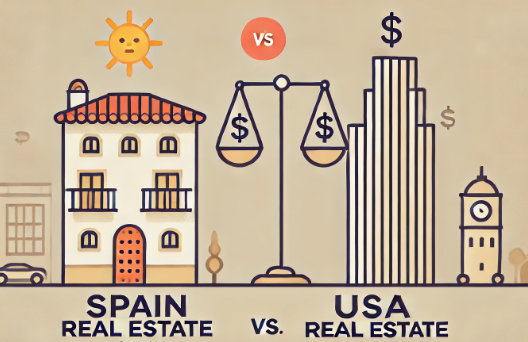
“Fees are much more reasonable in Spain compared to the US. For example, my cousin in Florida pays $840/month, while I pay €82/month for a flat with a pool and clean grounds.”
“I’ve noticed that in communities with very low monthly fees, there’s often no long-term savings plan. This can lead to large surprise assessments for major repairs.”
Conclusion
Maintenance fees for flats in Spain, known as comunidad fees, are generally much lower than comparable HOA fees in the US. Basic fees can range from €50 to €150 per month, depending on the building’s amenities and location.
While older buildings with minimal facilities tend to have lower fees, they may require occasional assessments for significant repairs. Properties with pools, gyms, or extensive grounds have higher fees, typically around €200–€500 per month.
In addition to monthly fees, property owners should budget for annual property taxes (IBI), which vary by region and property size, and occasional repair costs. Overall, buyers in Spain benefit from significantly lower ongoing expenses compared to those in the US, but planning for unexpected assessments is crucial.
Get your free step-by-step Spain move plan
10 emails over 2 weeks covering visas, budget, housing & the mistakes to avoid.
Join 10,000+ expats who used this roadmap.
100% free · No credit card · Unsubscribe anytime