Last Updated on April 18, 2026 by Bruno Bianchi
Question
Can savings be taken into account to meet the income required for the Spain Digital Nomad Visa?
Answers
These are the answers of Spainguru’s Spain Digital Nomad Visa group members:
Planning your move to Spain?
Get the free step-by-step roadmap used by 10,000+ expats — covering visas, budget, housing, and the mistakes to avoid.
Start the Moving to Spain Hub →“Yes, savings can be considered, but if the gap is not too big. Even then, it will be assessed individually by the UGE (Unidad de Grandes Empresas).”
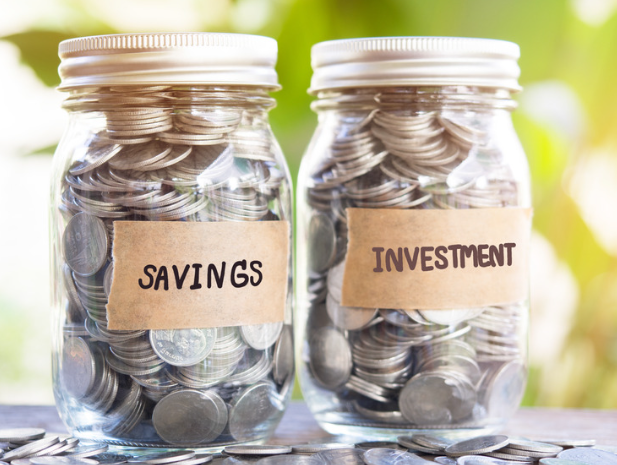
“Yes, savings can be used, but it’s only recommended as a top-up if you’re very close to the required amount.”
The original poster followed up with: “It will probably be half and half. No pension since the Digital Nomad Visa is for my husband, and he is only 60.”
A group expert cautioned: “I wouldn’t risk it with that big a gap.”
Not sure which city is right for you?
Compare cost of living, weather, expat community size, and lifestyle across 13 Spanish cities in our free guide.
Explore Cities →Conclusion
Savings can be considered to help meet the income requirements for the Digital Nomad Visa in Spain, but it is typically recommended as a supplementary measure rather than a primary source of income.
While some members have noted that savings can be used to fill a small gap, relying on them for a significant portion of the required income may increase the risk of your application being denied.
Listen to Sofía Mejail’s (Immigration expert from CABR Relocation Services) answer about using Savings as funding proof. The video will start exactly with her answer:
Therefore, if someone is applying with family and their salary doesn’t cover the full income requirement, savings can be used to fill the gap, particularly for family members. It’s preferable to cover the main applicant’s income requirement with their salary and then use savings for the rest.
However, using savings as the primary income source is generally not recommended. Ideally, a significant portion of the income should come from a salary, and if the shortfall is small (e.g., needing only a small amount to meet the required threshold), adding savings may work.
For one person, the recommended income threshold is around €30,000 annually (2024). Trying to cover too large a gap with savings, especially if most of the income is missing, is not advisable.
As the application process is assessed on a case-by-case basis, it’s important to carefully evaluate your financial situation and ensure you meet the income thresholds as closely as possible.
Join our community!
Make sure to join our dedicated Spain Digital Nomad Visa group here!
Get your free step-by-step Spain move plan
10 emails over 2 weeks covering visas, budget, housing & the mistakes to avoid.
Join 10,000+ expats who used this roadmap.
100% free · No credit card · Unsubscribe anytime