Last Updated on June 3, 2026 by Bruno Bianchi
If you’re planning to move to Spain on a Non-Lucrative Visa (NLV), Digital Nomad Visa, or any other type of residency visa, it’s important to understand the Declaracion de Entrada process—particularly if you will enter Spain from another country within the Schengen Area.
When entering Spain directly from another Schengen country, your passport is not stamped at the border, and your arrival is not officially recorded by Spanish immigration. This lack of entry registration can create problems later when you apply for your residency card (TIE). The Declaración de Entrada is the solution to this issue and must be completed within 72 hours of arrival in Spain.
Planning your move to Spain?
Get the free step-by-step roadmap used by 10,000+ expats — covering visas, budget, housing, and the mistakes to avoid.
Start the Moving to Spain Hub →What is the Declaración de Entrada?
The Declaración de Entrada is a formal declaration that notifies Spanish authorities that you have entered the country. It is required for non-EU citizens holding a Spanish residency visa who arrive in Spain through another Schengen state and do not pass through passport control upon entry.
This declaration serves as your official proof of entry into Spain and is necessary for administrative processes such as applying for your TIE (Tarjeta de Identidad de Extranjero).
When Do You Need It?
You must submit a Declaración de Entrada if:
- You enter Spain from another Schengen country (such as France, Germany, Italy, or Poland)
- You are traveling on a Spanish residency visa and your passport is not stamped upon entry
- You plan to apply for a TIE and need proof of your legal arrival in Spain
You do not need the Declaración de Entrada if:
Looking for visa-compliant health insurance?
Get fully compliant, zero-waiting health insurance accepted by all Spanish consulates. Trusted by 150,000+ in our community.
Get a Free Quote →- You arrive in Spain directly from a non-Schengen country (such as the UK, the US, or Australia) and your passport is stamped by Spanish immigration
Understanding the Schengen Area
The Schengen Area is a zone of 29 European countries that have abolished internal border checks between them. Once you enter one Schengen country, you can travel freely to the others without going through passport control at internal borders. This freedom of movement means that if your first point of entry into the Schengen Area is a country other than Spain, you may not receive a Spanish entry stamp.
Here is a map of the current Schengen countries as of 2025:
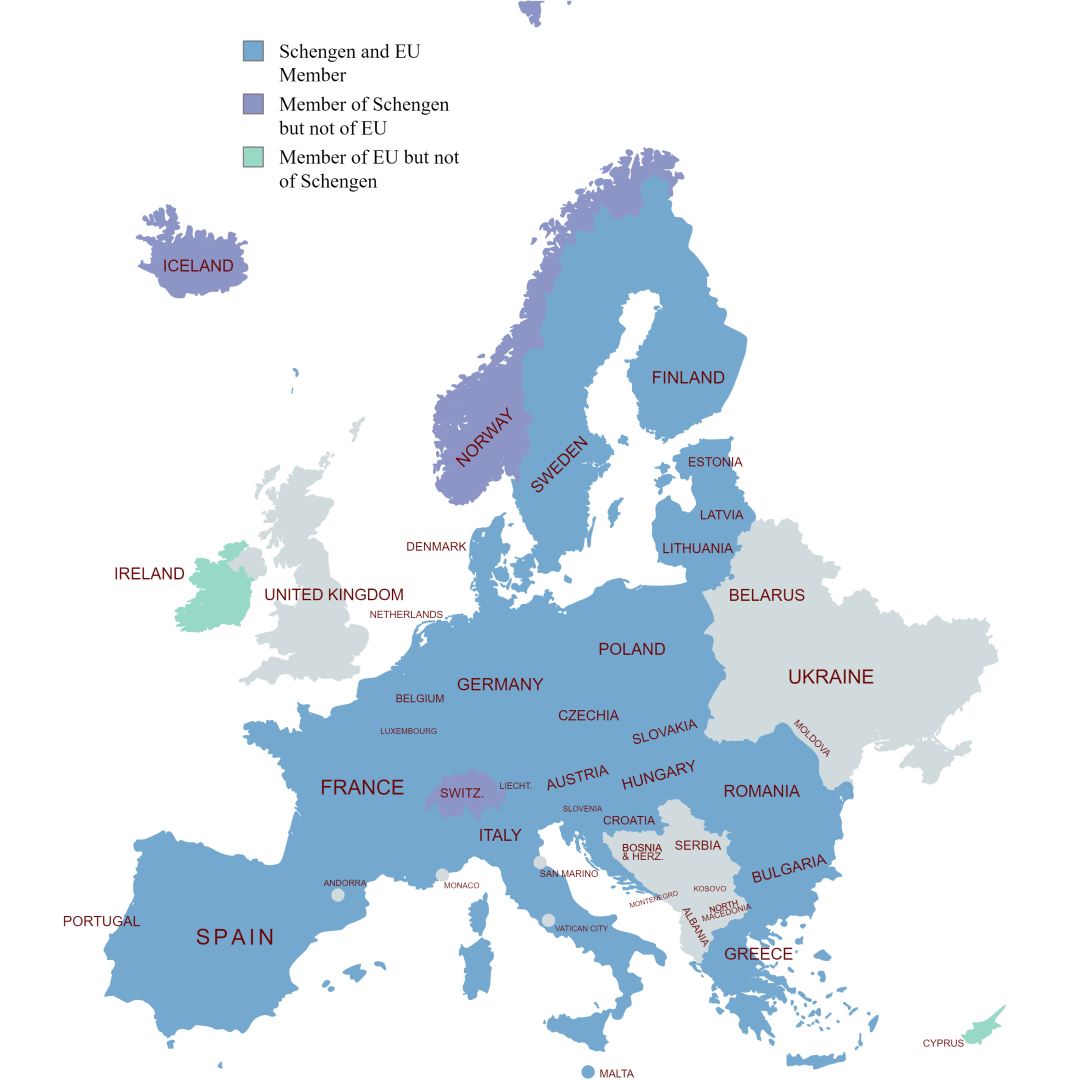
Some of the most common Schengen countries travelers pass through before arriving in Spain include:
- France
- Germany
- Portugal
- Italy
- Poland
- The Netherlands
- Belgium
How to Complete the Declaración de Entrada
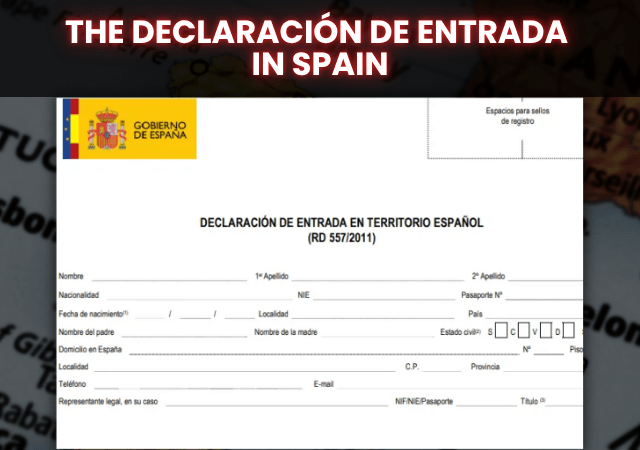
- Download and print the form
You can download the official Declaración de Entrada form here:
Download DECLARACIÓN DE ENTRADA EN TERRITORIO ESPAÑOL (RD 1155/2024) (PDF) – Always verify with official sources if the document is the last version. - Fill out the form with the following information:
- Full name
- Passport number
- Type of visa
- Date and location of entry into Spain
- Flight or transport details, if applicable
- Spanish address where you will be residing
- Visit a Policía Nacional station within 72 hours of your arrival in Spain. It’s best to choose a station near an international airport or border area, as not all local stations are familiar with this process.
- Bring these documents to the police station:
- Completed Declaración de Entrada form
- Passport with Spanish visa
- Travel tickets showing entry into Spain or the Schengen Zone
- Address in Spain (rental contract or booking confirmation, if available)
- Request the officer to stamp the form. This stamp will serve as your official proof of entry into Spain.
Why It Matters
Without a passport stamp or a stamped Declaración de Entrada, you may not be able to prove that you entered Spain during the validity period of your visa. This can delay or even prevent your TIE application, which must be submitted within 30 days of your arrival in Spain.
What Spainguru Community members say

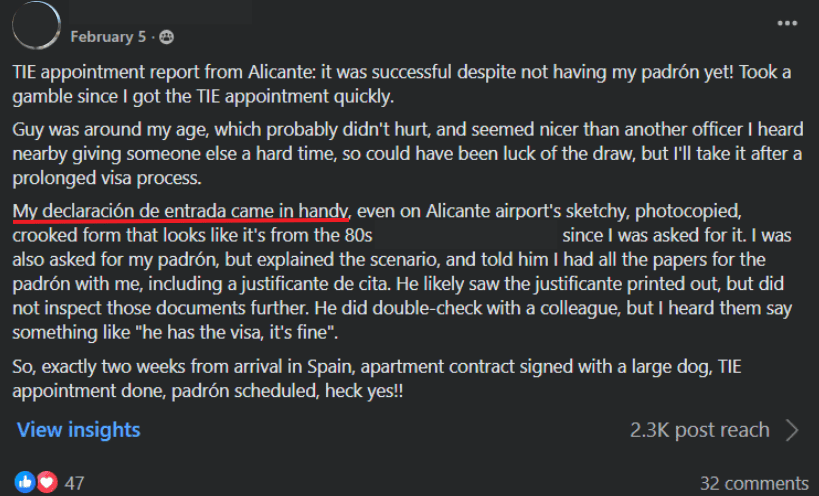
Tips for a Smooth Process
- Go early in the day and be patient. Bring a Spanish-speaking friend if needed.
- Some police stations may not be familiar with the process. If you are turned away, try another station, ideally in a major city, in a city near the border or international airport.
- Keep a copy of the stamped form for your records and future appointments, like the TIE appointment.
Conclusion
The Declaración de Entrada is a simple but essential requirement for new residents entering Spain from another Schengen country. It ensures that your arrival is properly registered with Spanish authorities, helping you stay compliant with visa regulations and allowing you to apply for your residency card without issues. Print the form in advance, bring the necessary documents, and visit the right police station as soon as you arrive in Spain.
Disclaimer:
This article is based on Spainguru community insights and publicly available procedures. It is not legal advice. Please consult a legal expert for personalized guidance.

Recommended Immigration Experts
Carefully selected Spanish immigration lawyers and legal professionals to help you with visas, residency applications, and Spanish citizenship.
Contact Immigration ExpertsWelcome to Spainguru’s Community Hub!
Connect with thousands of expats, aspiring residents, and digital nomads in Spain. Find your tribe and make your move to Spain smoother and more enjoyable!

Spain Immigration
For general inquiries and discussions about all types of Spanish immigration processes.
Join Group NLV (Non-lucrative visa)
Dedicated to discussions and support for the Spanish Non-Lucrative Visa application.
Join Group NLV Renewals
Support and advice specifically for renewing your Spanish Non-Lucrative Visa.
Join Group Digital Nomad Visa
Your go-to group for questions and tips about the Spanish Digital Nomad Visa.
Join Group Immigration for Filipinos
A specific community for Filipinos navigating immigration to Spain.
Join Group Portugal Golden Visa
Advice on obtaining the Golden Visa as an alternative to the deprecated Spanish version.
Join Group Americans in Spain
A community specifically for Americans living in or planning to move to Spain.
Join Group Americans Retiring in Spain
Connect with fellow Americans thinking about retiring in Spain.
Join Group
Digital Nomad Subreddit
Resources and discussions specifically for the Digital Nomad Visa.
Visit Subreddit Americans in Spain
A community for Americans living in or moving to Spain on Reddit.
Visit SubredditStay informed!
Don’t miss out on important updates, guides, and community events.


What Our Members Say
Frequently Asked Questions
What is the main purpose of these communities?
Our communities are designed to provide a supportive environment for individuals interested in or currently living in Spain. You can ask questions, share experiences, and connect with like-minded people.
Are these groups moderated?
Yes, all our communities are actively moderated by the Spainguru team and dedicated volunteers to ensure a respectful and spam-free environment.
Can I ask for legal advice?
While you can get general advice and personal experiences, information shared is not official legal or immigration advice. We always recommend consulting with a qualified professional.
Get your free step-by-step Spain move plan
10 emails over 2 weeks covering visas, budget, housing & the mistakes to avoid.
Join 10,000+ expats who used this roadmap.
100% free · No credit card · Unsubscribe anytime