Last Updated on May 2, 2026 by Bruno Bianchi
Moving to Spain as an American? See Settleguru’s full U.S.-tax checklist for FBAR, FATCA, FEIE, and state exit.
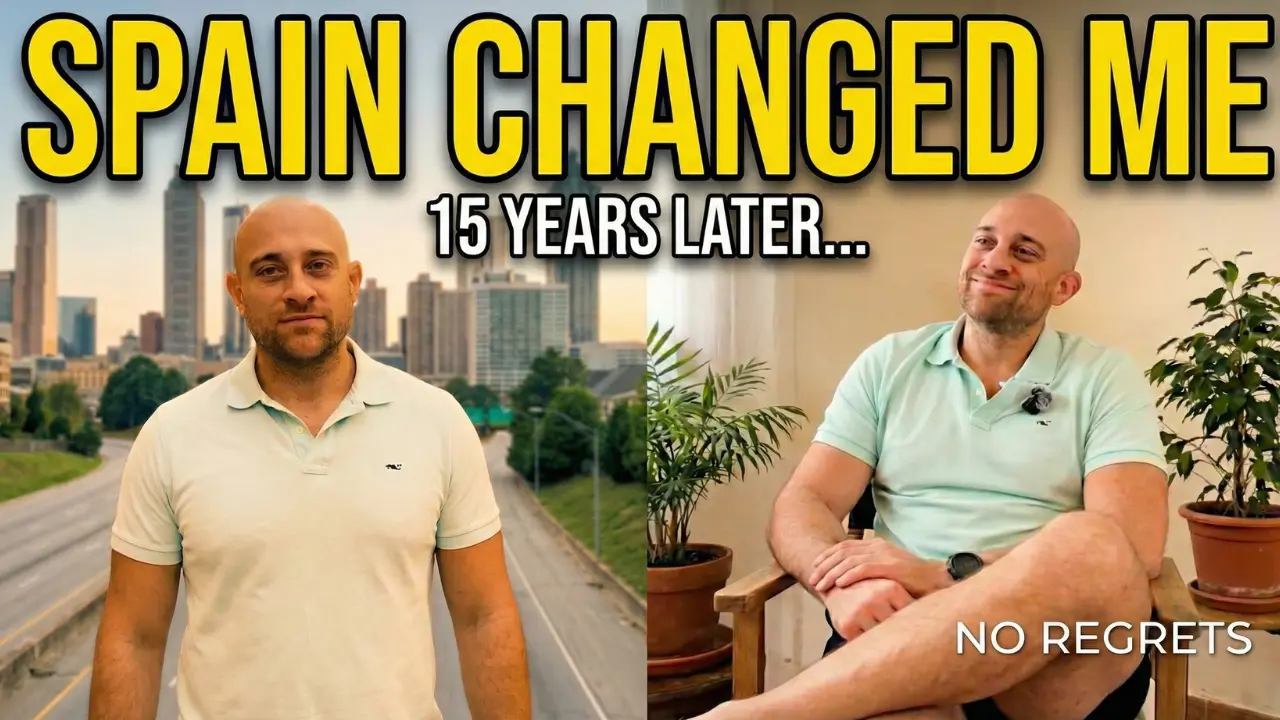
Living in Spain is something many Americans dream about, but few truly understand until they experience it firsthand. In this video, Hamilton shares his honest journey after more than a decade in Spain—covering everything from renovating a home in Málaga to navigating visas, adapting to Spanish culture, and comparing the real cost of living between Spain and the US.
Planning your move to Spain?
Get the free step-by-step roadmap used by 10,000+ expats — covering visas, budget, housing, and the mistakes to avoid.
Start the Moving to Spain Hub →Living in Spain: From First Arrival to Long-Term Home
Hamilton first arrived in Spain in 2010 with no long-term plan and very little certainty. What started as a leap of faith quickly became a life-changing decision. Like many newcomers, he arrived with an American mindset—focused on efficiency, productivity, and structure—but Spain challenged those assumptions from day one.
Over time, Spain stopped feeling like a temporary adventure and started feeling like home.
Renovating a Home in Spain: Reality vs Expectations
One of the most practical insights from the video is Hamilton’s experience renovating a traditional Spanish house in Málaga. The process was rewarding—but far from easy.
Key takeaways include:
Not sure which city is right for you?
Compare cost of living, weather, expat community size, and lifestyle across 13 Spanish cities in our free guide.
Explore Cities →- Renovations in Spain can be slow and unpredictable
- Finding reliable professionals is one of the biggest challenges
- Personal recommendations are far more valuable than online searches
- A good architect can protect you from costly mistakes
Despite the frustrations, the end result reflects a lifestyle-focused approach to living in Spain—spaces designed for socializing, natural light, outdoor living, and enjoying time with others.
Moving to Málaga? Contact Hamilton at hamilton.bone@remax.es
Cost of Living in Spain vs the United States
A major reason people consider living in Spain is affordability, and the numbers in this video make the comparison very clear.
Hamilton breaks down his monthly expenses in Málaga and compares them to what similar living would cost in the US:
- Housing: Significantly cheaper in Spain for comparable space
- Utilities: Lower and more predictable
- Internet & mobile: Competitive pricing and better value
- Healthcare: Public coverage through social security or affordable private insurance
- Food: Fresh markets offer high quality at much lower cost
- Social life: Eating out and meeting friends costs far less
His total monthly expenses in Spain come in at roughly €3,630, compared to €6,700 or more for a similar lifestyle in the US.
Adapting to Spanish Culture and Lifestyle
One of the biggest mindset shifts when living in Spain is learning to slow down.
Spain—and Mediterranean culture in general—places a much higher value on:
- Time with friends and family
- Long meals and social interaction
- Community life over individual productivity
Hamilton explains that trying to impose an “everything must be efficient” mentality only leads to frustration. Life becomes easier—and happier—when you stop fighting the rhythm and start embracing it.
Making Friends and Avoiding the Expat Bubble
Integration doesn’t happen automatically, especially in Spain. Hamilton highlights a few key ways he built genuine connections:
- Participating in local sports (like rugby)
- Volunteering
- Speaking Spanish, even imperfectly
- Showing long-term commitment to staying
Spanish people are friendly, but real friendships take time and effort—especially if you don’t speak the language.
Visas, Residency, and Setbacks
Living in Spain long-term wasn’t a smooth process. Hamilton openly shares his visa and residency struggles, including:
- Applications denied due to technicalities
- Missed deadlines and legal mistakes
- The emotional toll of repeated rejections
Eventually, residency came through a civil partnership, but the journey highlights how complex Spanish immigration can be—and how important proper guidance is.
Work, Career Changes, and Life Balance
Hamilton’s career evolved alongside his commitment to Spain. After teaching English, he transitioned into real estate—identifying a demand for reliability, honesty, and clear communication.
More importantly, work stopped being the center of life. Business decisions are now shaped around protecting time with friends, family, and community.
What He Misses—and Doesn’t Miss—About the US
While living in Spain has brought balance and fulfillment, there are still things Hamilton misses:
- US national parks and vast natural landscapes
- Certain aspects of American nature and space
What he doesn’t miss:
- Constant rushing
- Work-centered identity
- Measuring success through material possessions
For him, living in Spain means having less—but feeling fuller.
Advice for Americans Considering Living in Spain
Hamilton’s advice is practical and experience-based:
- Don’t fixate on just Barcelona, Málaga, or Valencia
- Visit multiple regions before deciding
- Use Facebook groups to connect with locals
- Invest in a real Spanish tutor, not just language apps
- Accept that plans may change once you arrive
Spain often surprises people—in both good and challenging ways.
Planning your move to Spain? Check out our complete Moving to Spain guide, learn about the Non-Lucrative Visa, explore the cost of living in Spain, and discover your Digital Nomad Visa options.
Final Thoughts
Living in Spain isn’t perfect, simple, or always easy—but for those willing to adapt, it can be deeply rewarding. Hamilton’s story is a reminder that sometimes the best decisions come from taking a risk, embracing uncertainty, and choosing people and lifestyle over speed and status.
Moving to Málaga? Contact Hamilton at hamilton.bone@remax.es
Get your free step-by-step Spain move plan
10 emails over 2 weeks covering visas, budget, housing & the mistakes to avoid.
Join 10,000+ expats who used this roadmap.
100% free · No credit card · Unsubscribe anytime